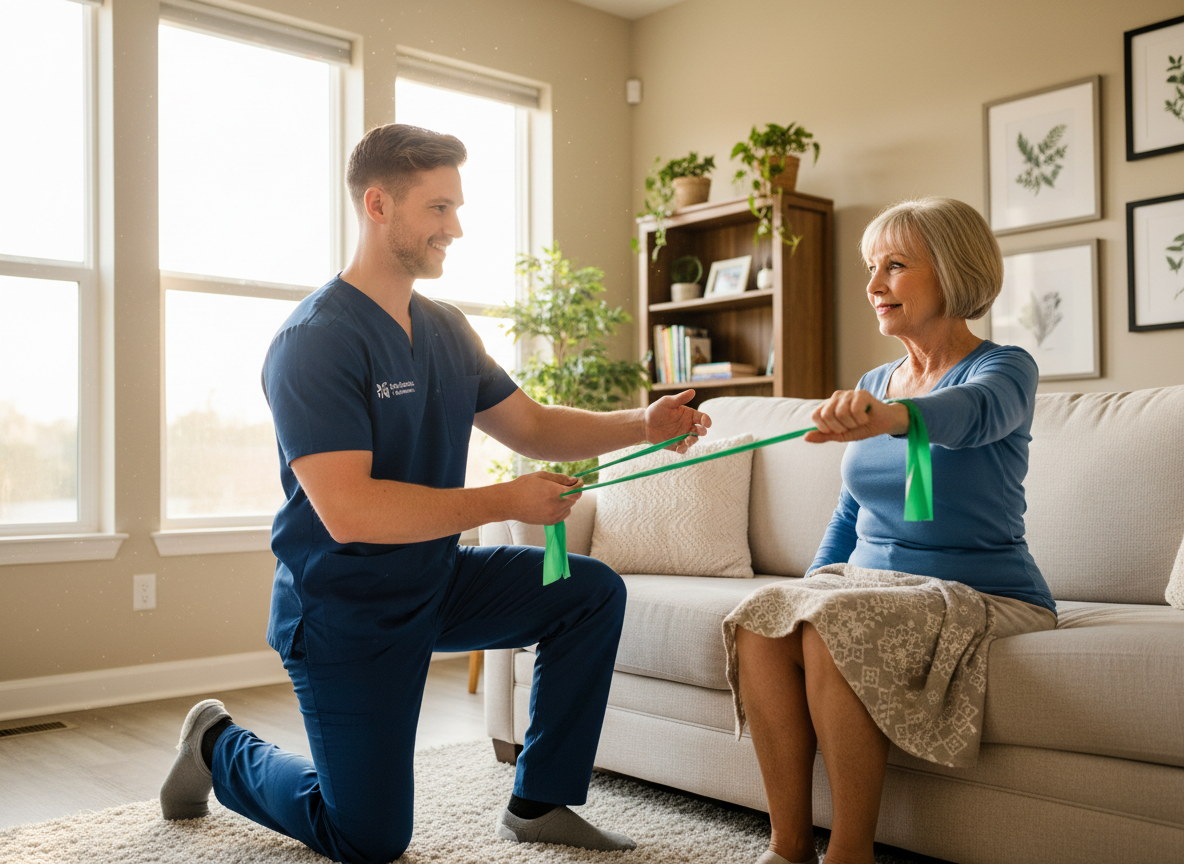
Manual Physical Therapy — In the Comfort of Your Home
Expert, evidence-based care delivered by a Doctor of Physical Therapy — right to your door.
Why Choose Us
In-home physical therapy that puts you first — every visit, every time.
🏅
Doctorate-Level Care
Every session is led by a Doctor of Physical Therapy and Certified Orthopedic Manual Therapist — never a technician, aide, or assistant.
🏠
Care in Your Home
No commuting, no waiting rooms. We bring evidence-based treatment directly to your door, so you can focus entirely on getting better.
⏱
More Time With Your Therapist
Our appointments are longer than the industry standard, giving your therapist the time needed to deliver a truly personalized plan of care.
MANUAL PHYSICAL THERAPY
What to Expect From Your Sessions
Each session is tailored to your unique needs, combining multiple evidence-based techniques to reduce pain, restore mobility, and accelerate your recovery. All services will be provided by a Certified Orthopedic Manual Therapist.
1 Soft Tissue Mobilization
This technique involves manipulating the soft tissues (muscles, tendons, ligaments, and fascia) to improve blood flow, reduce pain, and increase range of motion.
3 Myofascial Release
This technique involves applying sustained pressure to the myofascial connective tissue to release tension and restore normal function.
5 Muscle Energy Technique
This technique involves active contraction of the muscles against resistance to restore normal muscle function and reduce pain.
7 Transverse Friction Massage
This technique involves applying pressure to the affected area perpendicular to the direction of the muscle fibers to break down scar tissue, improve mobility and improve healing.
9 Positional Release
This technique involves passive positioning of the body to relieve muscle tension, reduce pain, and improve joint mobility.
11 Mulligan Concept
This technique involves the use of mobilization with movement to improve joint alignment, reduce pain, and improve function.
13 Instrument-Assisted Soft Tissue Mobilization (IASTM)/Grayson Technique
This technique involves the use of specialized instruments to break up scar tissue, apply pressure and manipulate soft tissues, to reduce pain and improve mobility and function.
15 Muscle Activation Technique (MAT)
This technique involves the use of manual pressure and movement to restore proper muscle function and improve joint mobility.
17 Trigger Point Therapy
This technique involves the use of pressure to alleviate pain and muscle tension in specific trigger points.
19 Traction
This technique involves the use of a manual or mechanical force to decompress the spine and reduce pain and nerve irritation.
21 Strain-Counterstrain
This technique involves passive positioning of the body to relieve pain and muscle spasms.
2 Joint Mobilization
This technique involves passive movement of a joint to stretch that joints capsule/connective tissue to reduce pain, improve joint mobility, and restore joint function.
4 Trigger Point Release
This technique involves applying pressure to specific points in the muscle to alleviate pain and reduce muscle tension.
6 Mobilization With Movement
This technique involves passive joint mobilization while simultaneously performing active or passive movement of the affected joint to improve joint mechanics and reduce pain.
8 Neural Mobilization
This technique involves the mobilization of certain nerves throughout its pathway to improve nerve function, reduce pain, and improve movement.
10 High-Velocity Low-Amplitude (HVLA) Thrust Technique
This technique involves a quick, forceful manipulation of a joint to improve joint mobility and reduce pain.
12 McKenzie Method
This technique involves a series of exercises and or manual therapy techniques designed to treat spinal and extremity pain and improve function.
14 Active Release Technique (ART)
This technique involves the use of manual pressure and movement to release scar tissue and improve soft tissue function.
16 Manual Lymphatic Drainage
This technique involves the use of gentle massage and pressure to stimulate lymphatic flow and reduce swelling.
18 Contract-Relax Stretching
This technique involves contracting a muscle for several seconds, then relaxing it and stretching it to improve flexibility.
20 Proprioceptive Neuromuscular Facilitation (PNF)
This technique involves a series of stretching and resistance exercises to improve muscle function and range of motion.
22 Contract Relax Agonist, Antagonist Contract
This technique uses autogenic and reciprocal inhibition to further stretch a tight muscle and improve its flexibility, mobility and function.
Research – Systematic Reviews + Randomized Control Trial
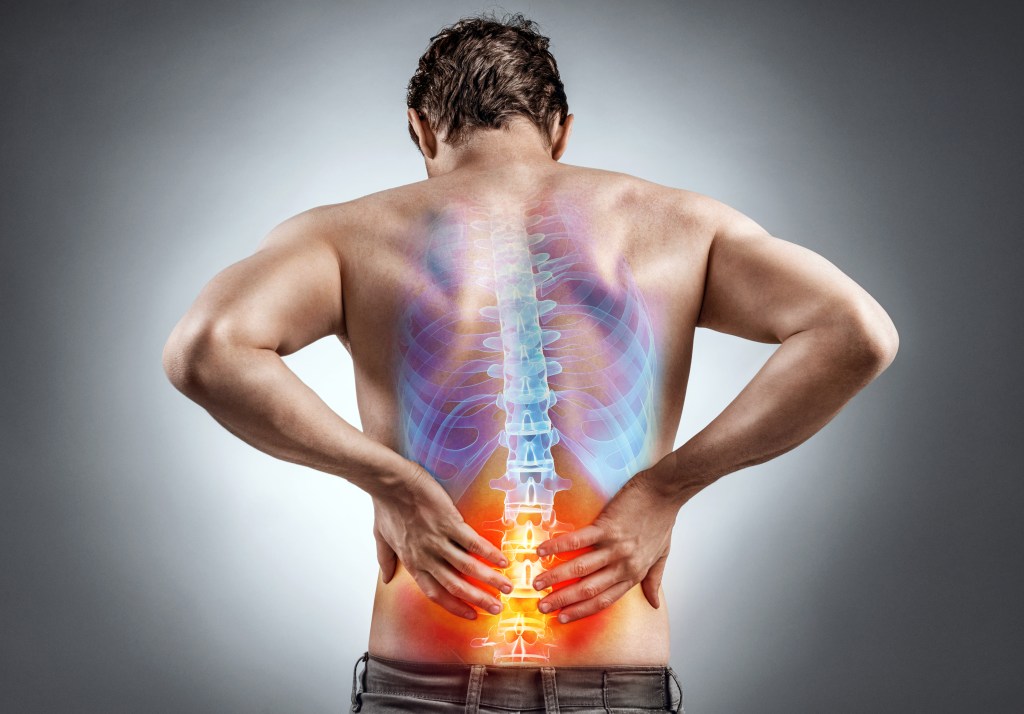
Systematic Review
Title: A systematic review and meta-analysis of the effectiveness of manual therapy and exercise for chronic low back pain
Authors: Maher CG, Underwood M, Buchbinder R, Costa L, Blyth F, Green S.
Journal: The Journal of Pain. 2017;18(12):1241-1256.
38 RCTs – Randomized Control Trials (4,287 participants) in the meta-analysis. Manual therapy and exercise were associated with a significant reduction in pain at short-term follow-up and long-term follow-up.
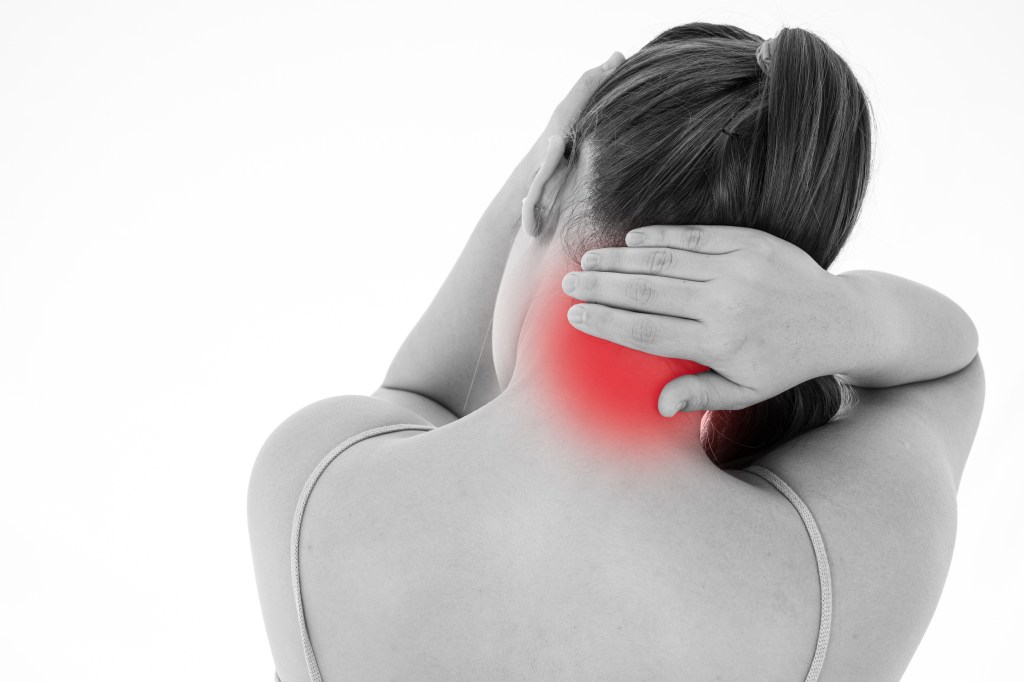
Randomized Control Trial
- Title: A randomized controlled trial of manual therapy and exercise for chronic low back pain: 2-year follow-up
- Authors: Cherkin DC, Deyo RA, Wheeler AW, Cheadle A, Coulter I, Koes BW, et al.
- Journal: Spine. 2004;29(21):2485-2492.
The aim of this study was to determine the long-term effects of manual therapy and exercise on function and quality of life in patients with chronic low back pain.
We randomized 406 patients with chronic low back pain to receive either manual therapy and exercise (n = 203) or usual care (n = 203). Manual therapy consisted of spinal manipulation and mobilization, and exercise consisted of a home-based program of stretching, strengthening, and aerobic exercises. Patients were followed for 2 years.
At 2 years, patients in the manual therapy and exercise group had significantly better function (Oswestry Disability Index) and quality of life (SF-36) than patients in the usual care group. The risk of being unemployed was also significantly lower in the manual therapy and exercise group.
These findings suggest that manual therapy and exercise are effective interventions for improving function and quality of life in patients with chronic low back pain.
PATIENT TESTIMONIALS
What Our Patients Are Saying
⭐⭐⭐⭐⭐
Got discharged from the hospital still unable to walk after a bulging L5S1 disc and sciatica pain. I was to stand up after the first visit with Tim and by the second, I could walk around the block. Tim is excellent, super thorough and extremely nice. I would recommend him to everyone.
Jeff Biasella
— Google Review ⭐⭐⭐⭐⭐
Ready to Feel Better? Let’s Get Started.
Need help?
Get in touch
Follow us
Subscribe to newsletter
Proudly Powered by WordPress

